Definition
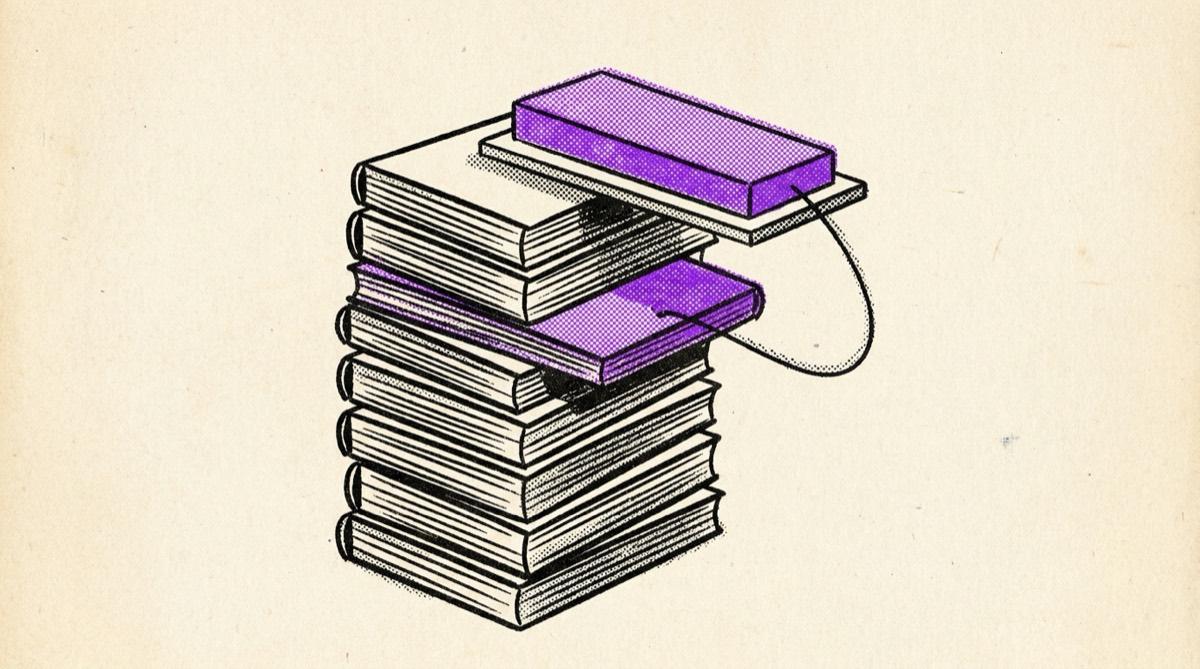
A featured snippet is a block at the top of Google's results showing an answer extracted from a web page, with a link to the source. Google selects the page and the passage automatically from pages that already rank, and the site cannot mark a page as eligible.
Why it matters
A featured snippet puts your answer above the ordinary results, in larger type, with your name on it. On question queries it is the most visible position available.
It is also the clearest early example of search answering a question instead of only listing pages, which is the pattern AI Overviews extended. Understanding how snippets are won is most of the groundwork for the newer formats.
How it works
Google's documentation on featured snippets is specific on two points people get wrong.
There is no markup for it. You cannot tag a page as eligible. Selection is programmatic, from pages already ranking for the query.
You can opt out, using the controls in Google's snippet documentation. nosnippet, max-snippet and data-nosnippet control whether and how much text may be used. Opting out of snippets also removes the page from other result features, so it is rarely the right trade.
The common formats:
| Format | Typical query |
|---|---|
| Paragraph | "what is", "why does" |
| Numbered list | "how to" with ordered steps |
| Bulleted list | "best", "types of" |
| Table | Comparisons, specifications |
The format follows the search intent, and matching the format of the existing snippet is most of the work when trying to displace one.
Worked example
Pages that win paragraph snippets almost always share one property: the answer appears as a short, self-contained passage directly under a heading that matches the question.
What is a canonical tag?
A canonical tag is a line of HTML that tells search engines which URL is the preferred version of a page when several URLs show similar content.
then the detail, the caveats, the examples
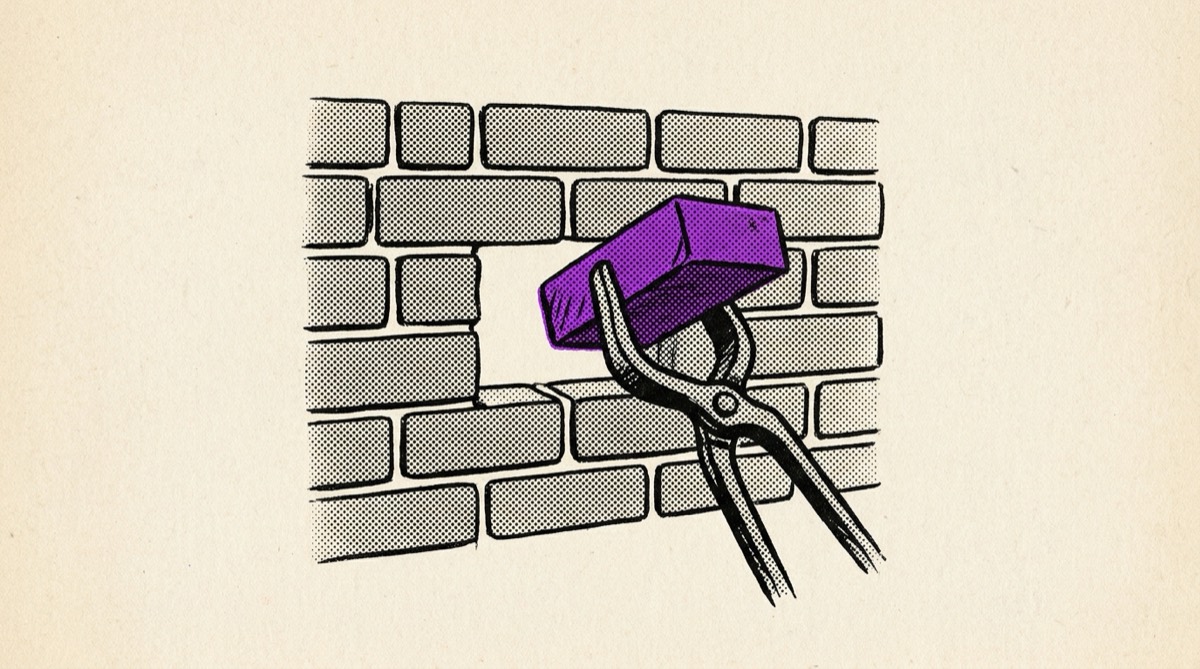
Roughly 40 to 60 words, no pronoun reference to an earlier sentence, no "as mentioned above". If the paragraph cannot be lifted out of the page and still make sense, it cannot be lifted out of the page.
That is exactly why every entry in this glossary opens with a standalone definition block.
Common mistakes
- Trying to mark one up.There is no markup. Content structure is the whole lever.
- Burying the answer.An answer in paragraph nine of a 2,000 word article is hard to extract. Answer first, elaborate after.
- Writing for the snippet alone.The page still has to earn its ranking. Snippets are drawn from pages already on the first page.
- Ignoring the click trade.A snippet that fully answers a simple question may reduce clicks. For "what is X" that may be acceptable for the visibility; for a commercial query it may not be.
- Assuming it is permanent.Snippets change hands constantly, and Google shows them for fewer queries than it used to.
Snippets and AI answers
The structural work that wins a featured snippet, a clear question as a heading and a short extractable answer under it, is the same work that gets a page cited in an AI Overview. That overlap is the practical core of answer engine optimisation: write so a machine can lift the answer cleanly and attribute it.