Definition
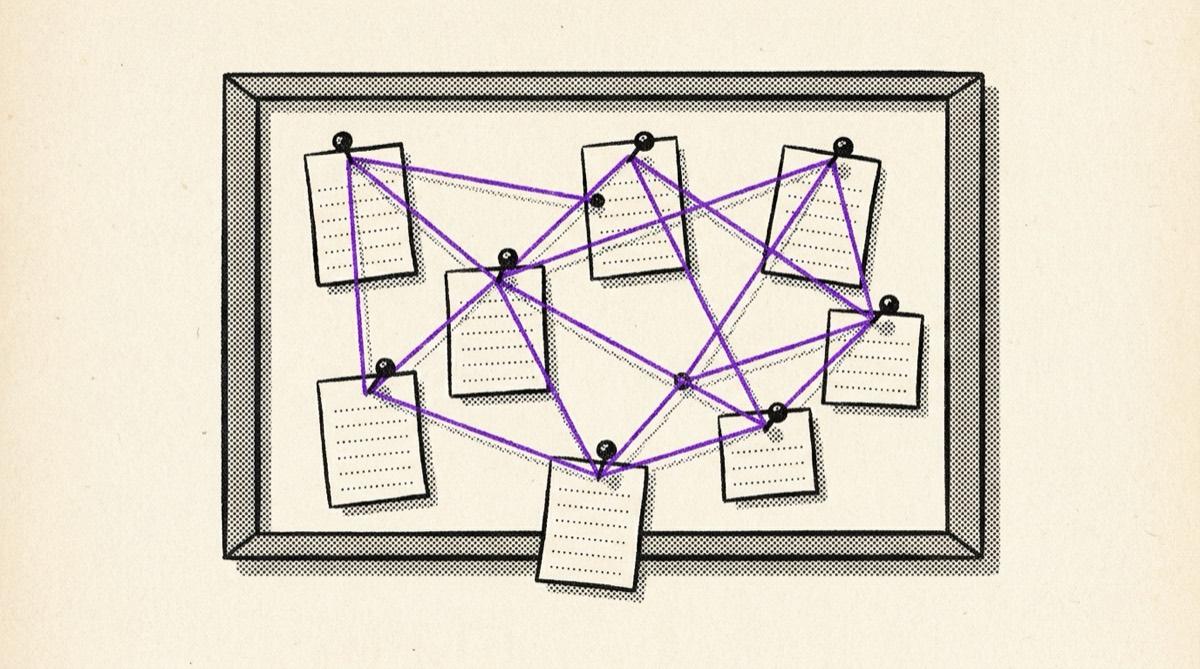
Internal linking is the practice of linking from one page on a website to another page on the same site. The links help search engines discover pages, tell them what each page is about through the anchor text, and distribute ranking value around the site.
Why it matters
Internal linking is the only part of link building you control completely. You do not have to persuade anyone, you do not have to wait, and the pages are already written.
It solves two problems at once. Pages that nothing links to are hard for crawlers to find and tend to sit unindexed. And pages that are linked from strong pages inherit some of that strength, which is the mechanism described under link equity.
How it works
A search engine discovers pages largely by following links. Google's documentation on how Search works describes crawling as following links from known pages to new ones. A page reachable only from an XML sitemap is technically discoverable, but it is also being told, by the structure of the site, that nothing on the site considers it important.
Google's SEO starter guide treats internal links as part of making a site navigable. Three things decide what one does.
Where it sits. A link inside body copy, in a sentence about the subject, carries more meaning than the same link repeated in a footer on every page. Boilerplate links are largely discounted precisely because they are boilerplate.
What it says. The anchor text is a description of the destination. "Our pricing" and "click here" point to the same page and say very different things about it.
How deep the page is. A page three clicks from the home page is generally crawled and refreshed more readily than one eight clicks down, and depth is a direct consequence of linking.
Worked example
The structure that works for most content sites is a hub and its spokes. A pillar page covers a subject broadly and links down to detailed pages, each of which links back up:
/seopillar, links to each child/seo/technicallinks back to /seo, and across to /seo/audit/seo/auditlinks back to /seo, and across to /seo/technical/seo/locallinks back to /seo
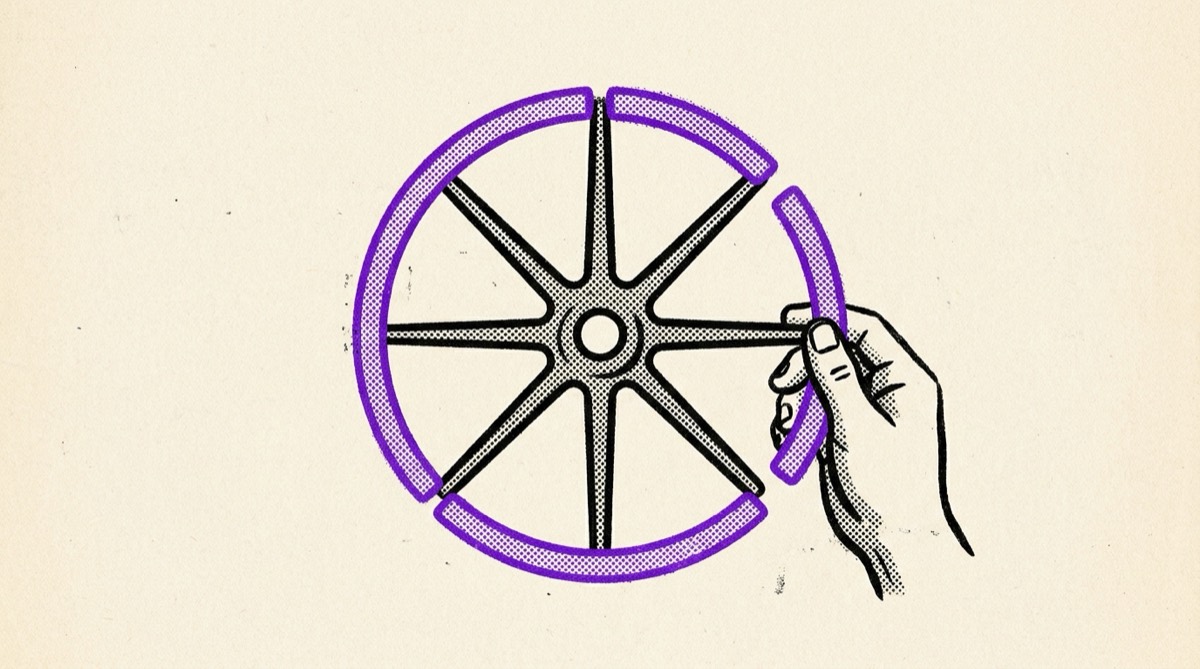
The across links are what most sites miss, and they are the first thing we add in an on-page SEO pass. Up and down links usually exist because navigation creates them. Sideways links between related pages have to be written deliberately, and they are the ones that signal which pages belong together.
Common mistakes
- Linking only from navigation.Menus and footers are boilerplate. The links that carry meaning are in sentences.
- Orphan pages.A published page with no internal links pointing at it. Worth auditing for periodically, because they accumulate quietly.
- Linking everything to everything.A block of thirty related links on every page is boilerplate again, and it divides value across links nobody will follow.
- Using the same anchor for every link to a page.Variation is natural and reads better.
- Forcing links in.A link that exists so a crawler sees it, rather than because a reader needs it, is visible as such. If the sentence does not want the link, the page does not need it.
How many is right
There is no number. The usable test is whether each link would help a reader who is already engaged with that sentence. On a 1,500 word article that usually produces somewhere between five and fifteen, concentrated in the passages where other topics come up naturally. Pages that are hard to link into from anywhere are usually pages with an unclear subject, which is a content problem wearing a linking problem's clothes.